Dos and dont’s of working with high level athletes (celebrity)
I’ve spent some time working with celebrity athletes — a mix of newer athletes, more established ones, and what you’d consider true “celebrity” status in the athlete space.
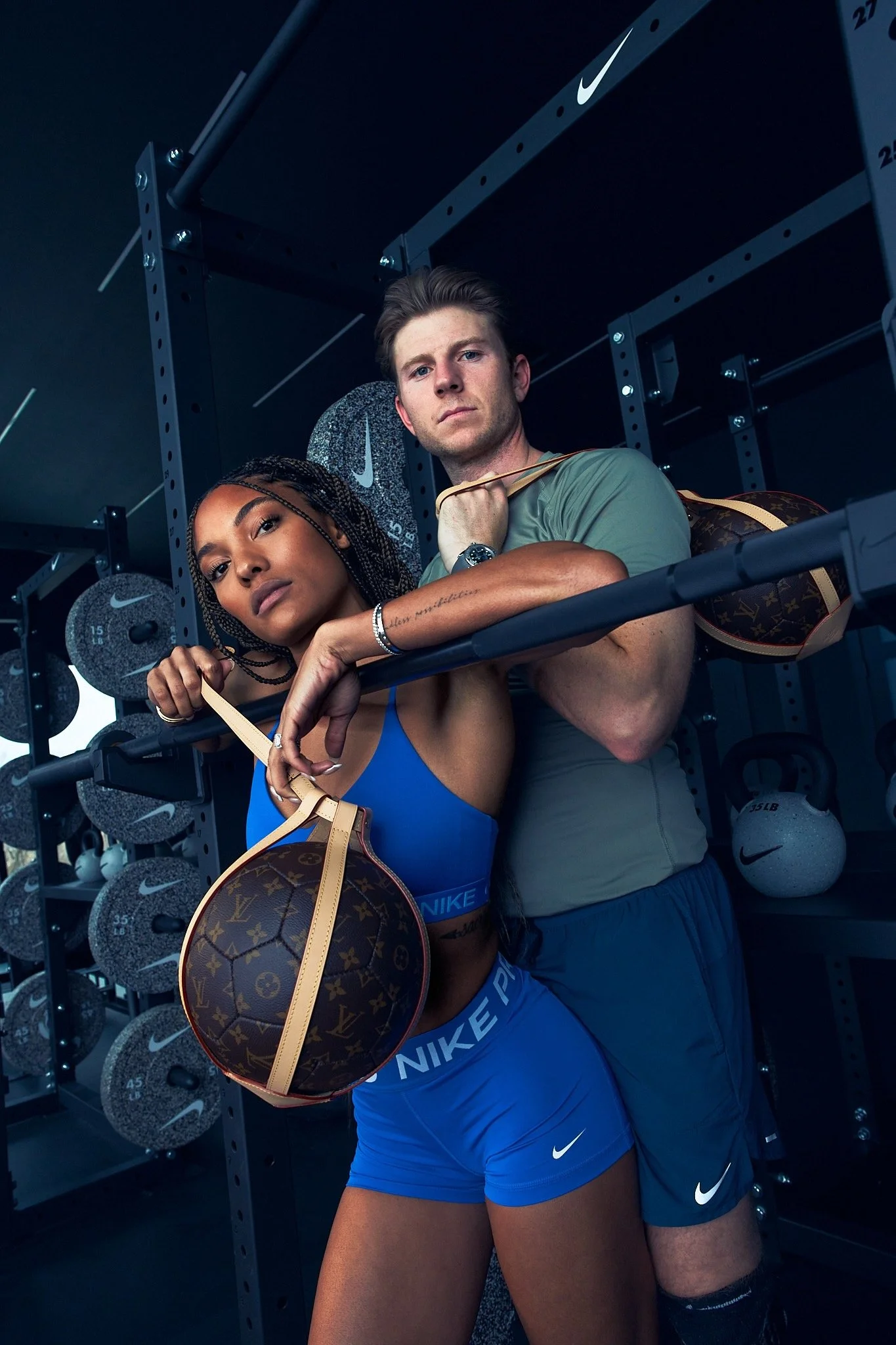
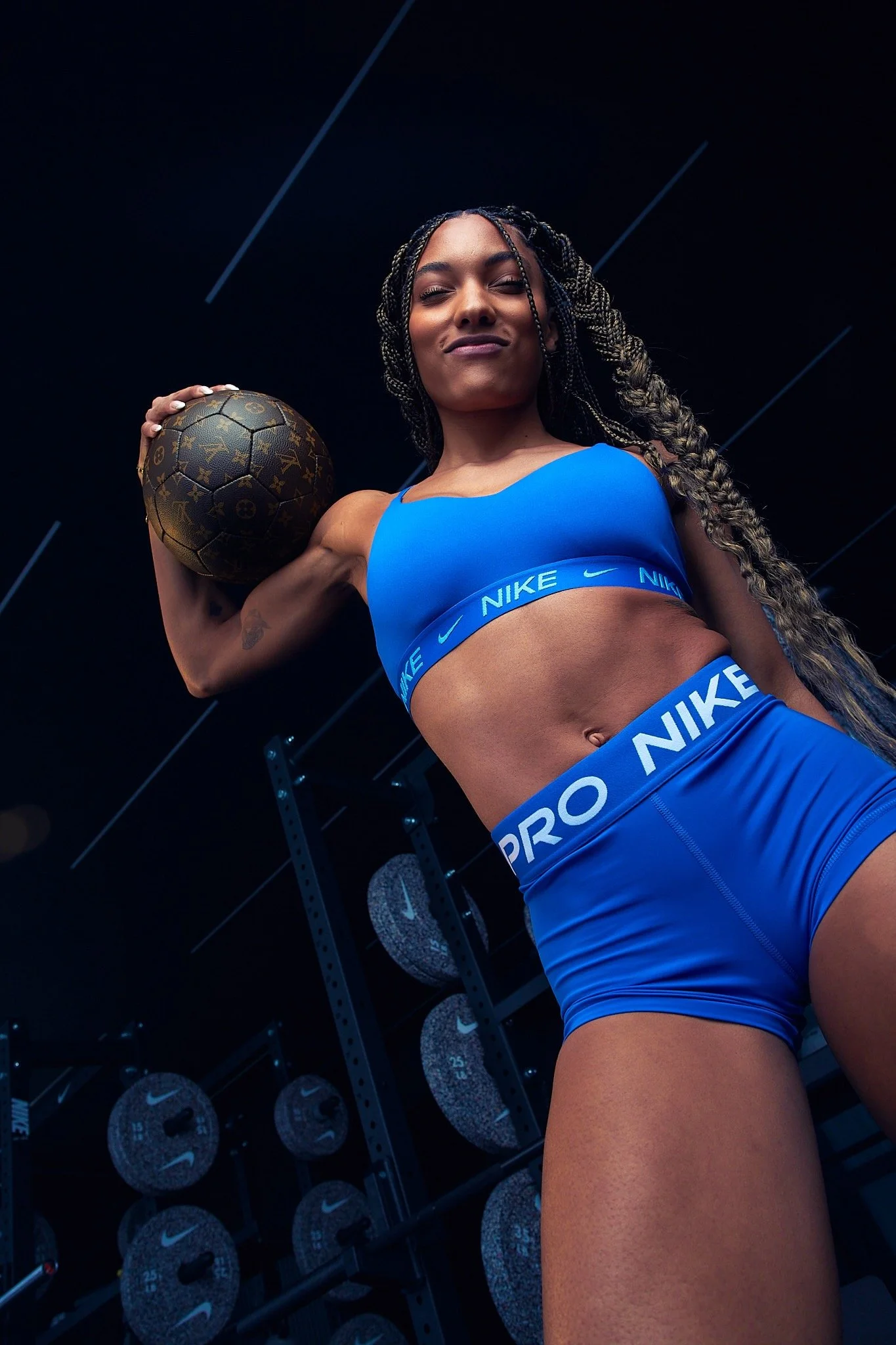
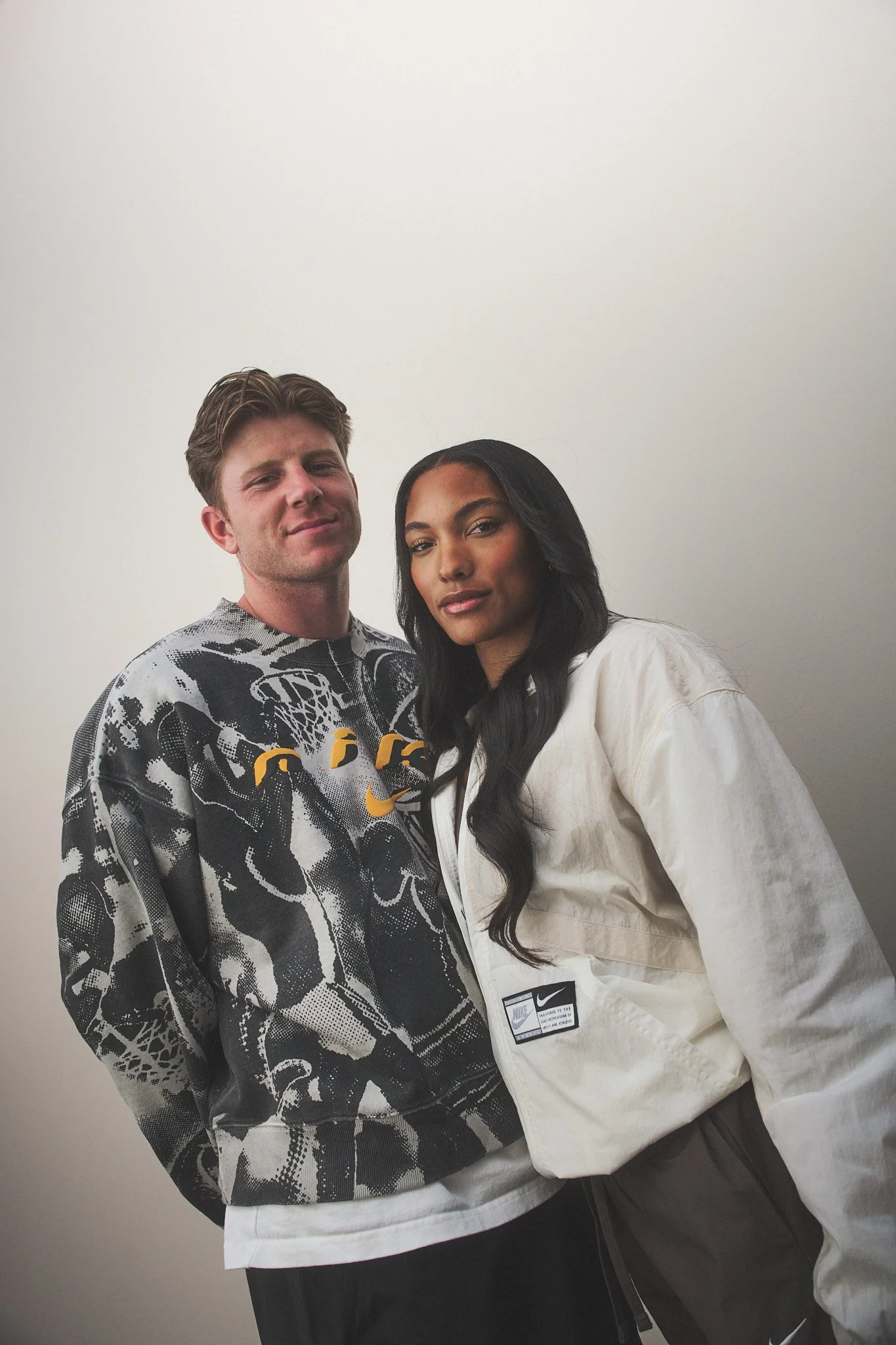
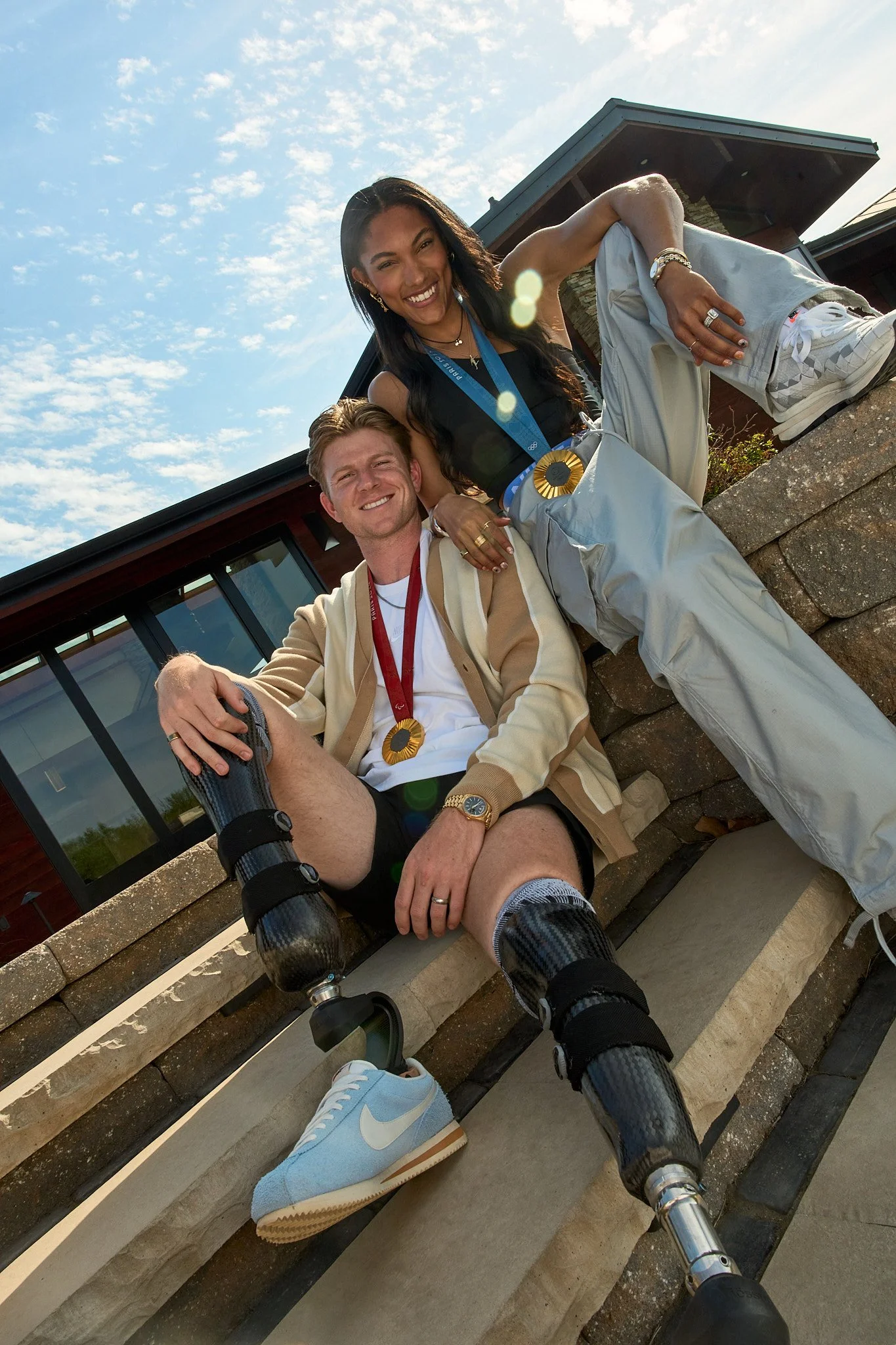
For example, working with Hunter Woodhall and Tara Davis-Woodhall on a shoot this spring.
There are a handful of things I’ve learned from those experiences, so this is a do’s and don’ts style breakdown for creatives.
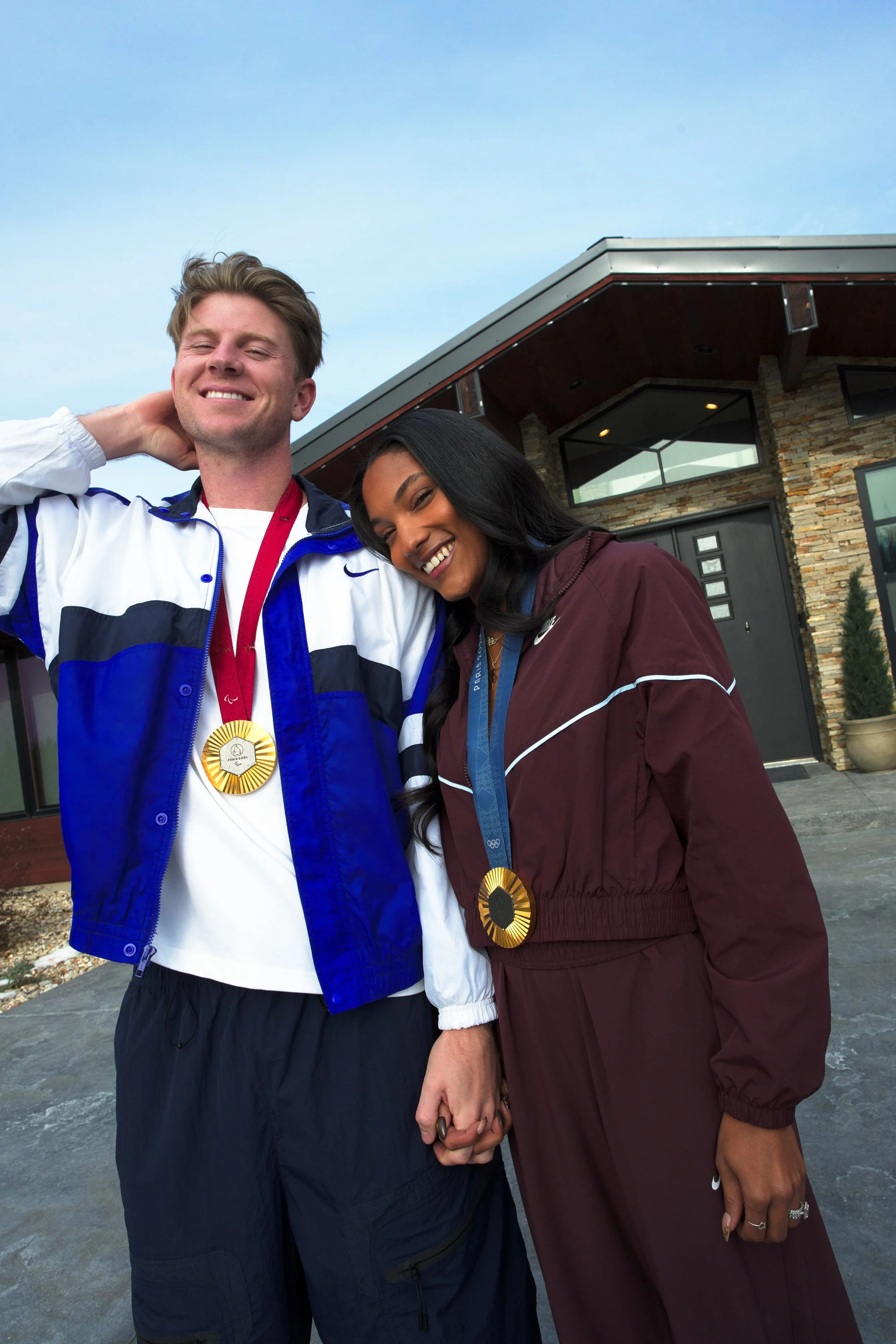
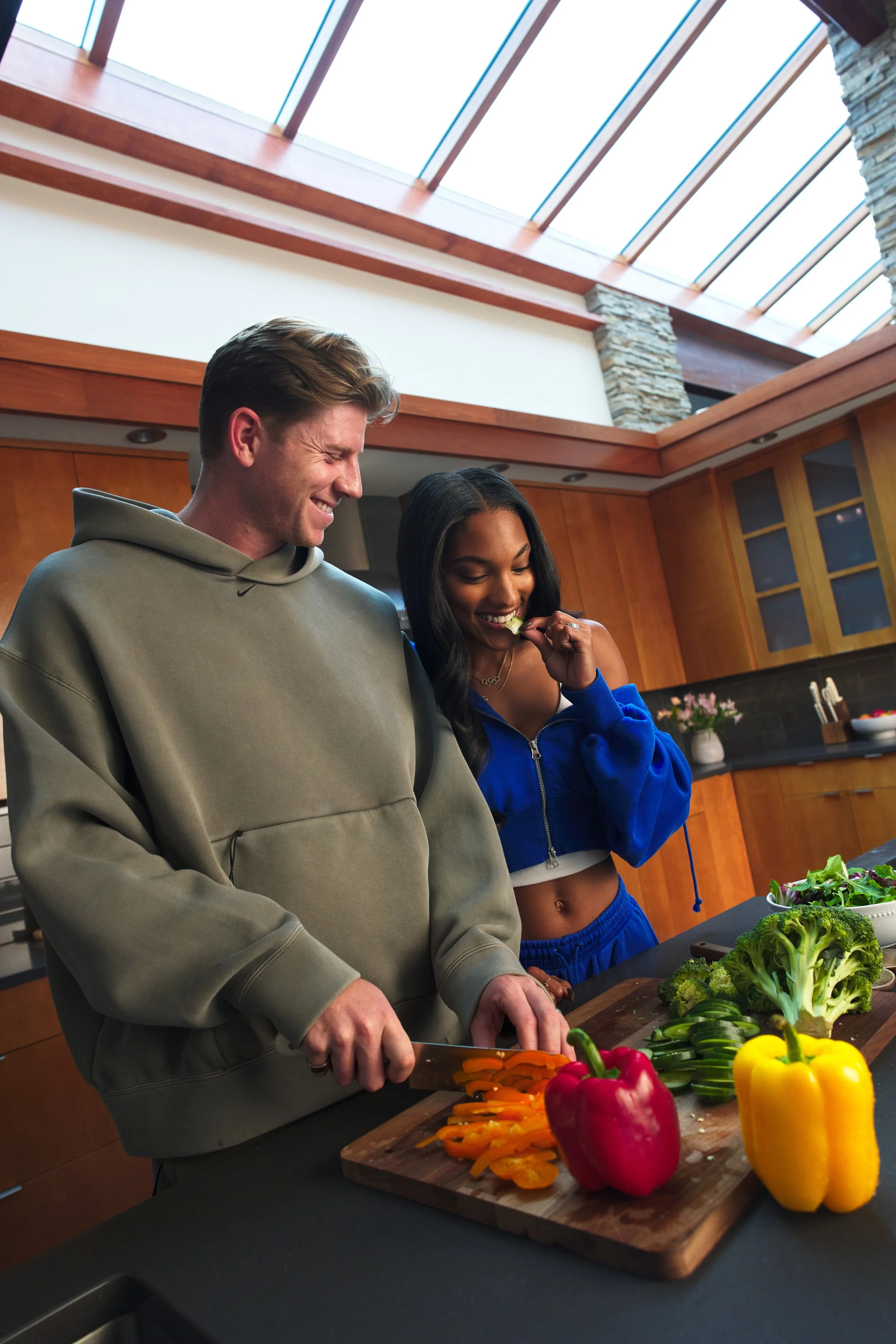
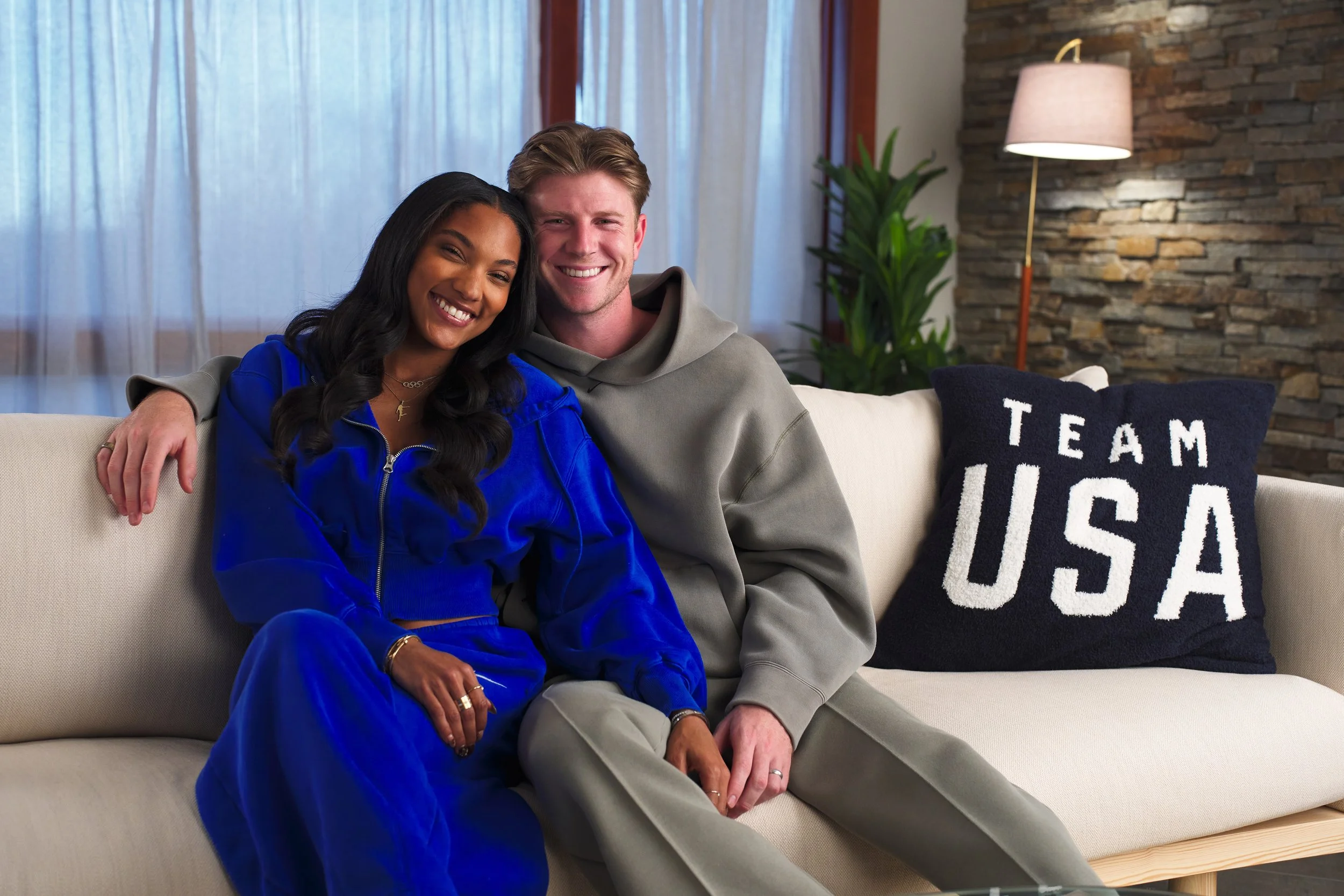
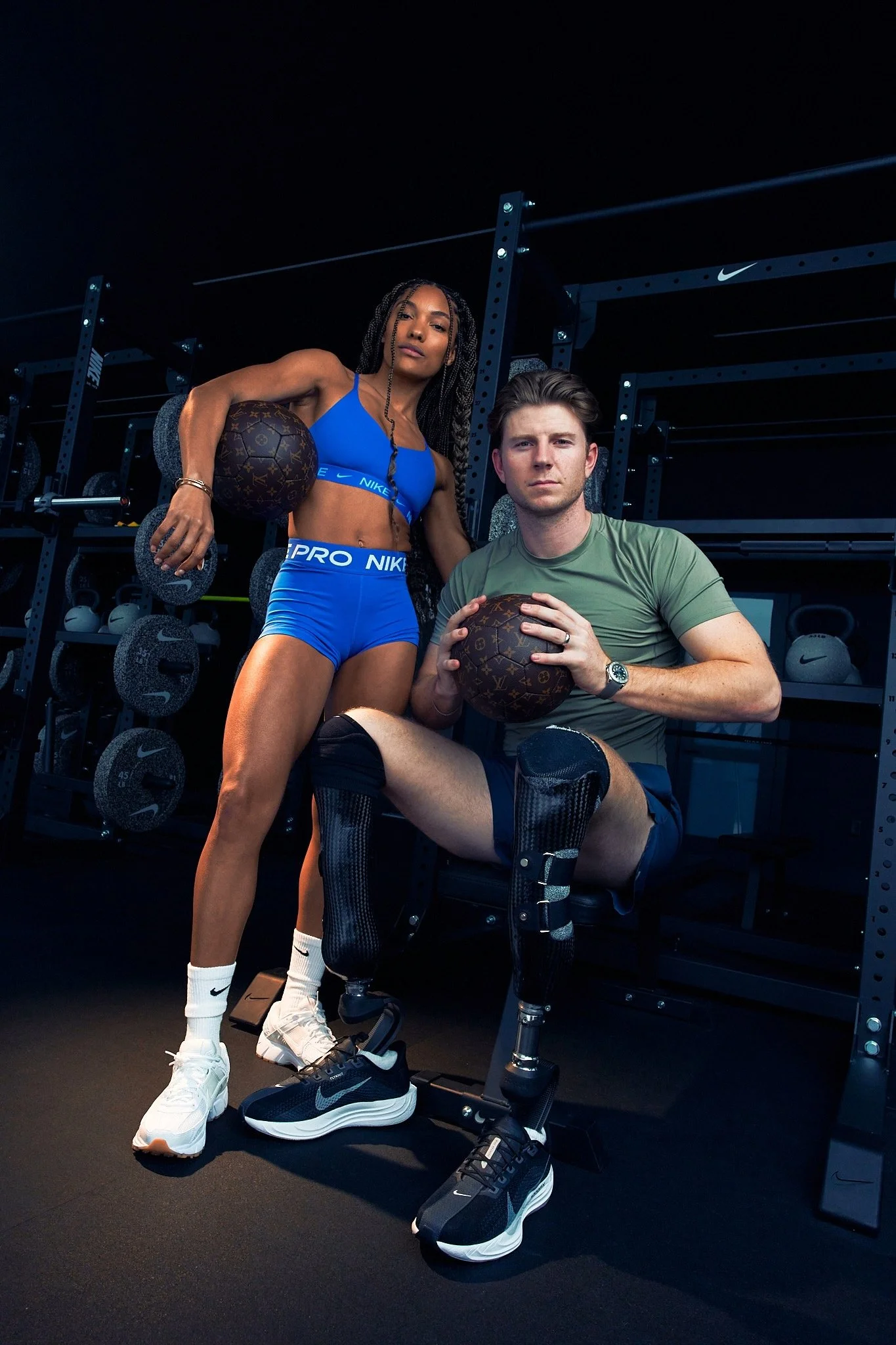
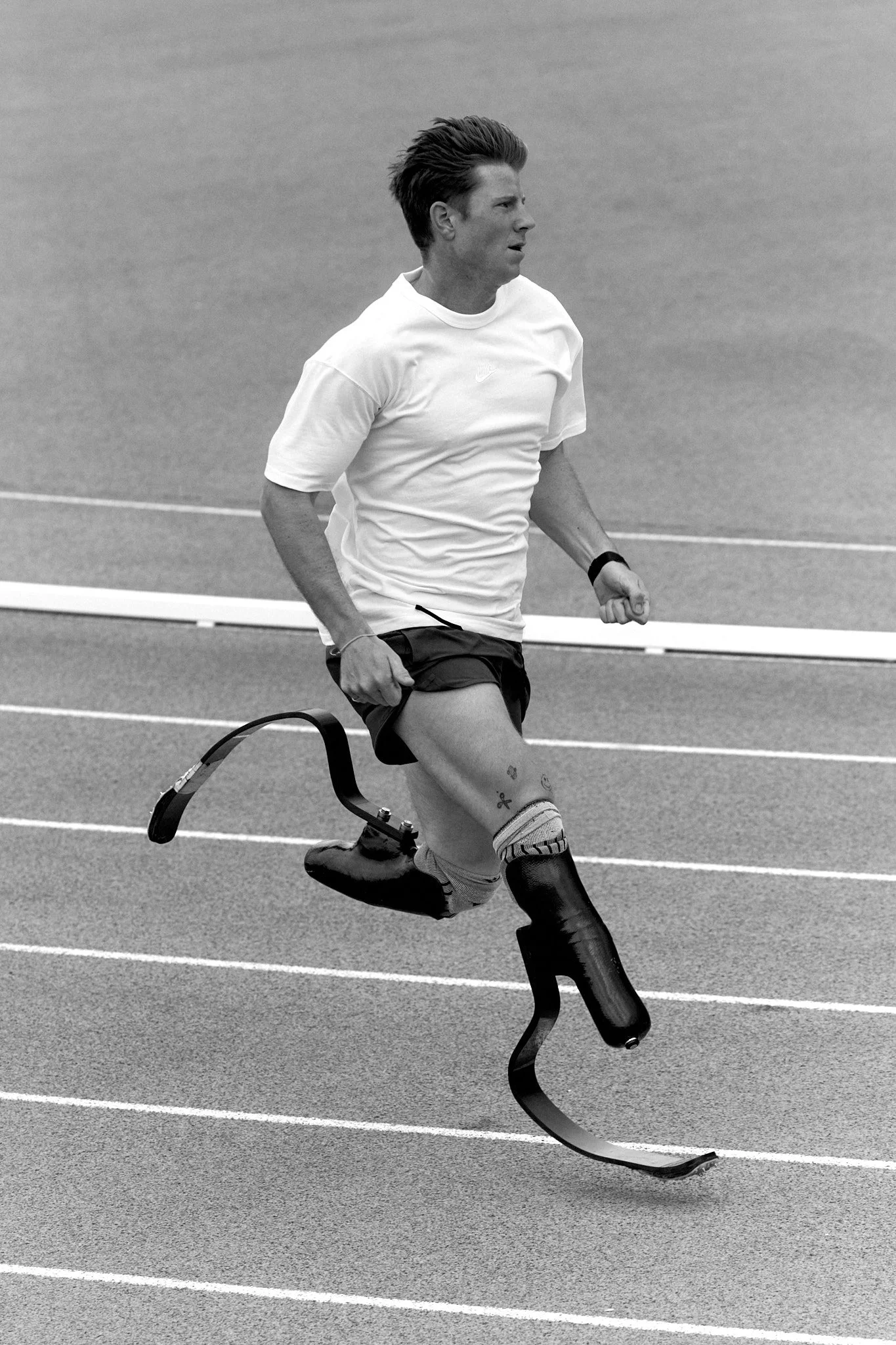
Do: Assess Their Experience Level
The first thing I try to do is assess the status of the athlete.
• Are they newer to this level?
• Are they established and used to media days and shoots?
That really changes how you approach the session.
If someone is coming from high school or college or a lower league, they may not have worked with high-level media production before. Their expectations might be lower, and they might need more direction.
Some athletes need:
• More direction
• Help getting comfortable
• Guidance on posing or movement
On the flip side, a media experienced athlete might be used to:
• Reviewing images in real time
• Giving feedback
• Moving quickly through a shoot
Do: Respect the environment
If you’re shooting in their home, you have to remember:
• You are one of many resources coming through their home (coaches, media, assistants)
• They may have a process to maintain their space.
-take off shoes/slippers
-rules with their home animals
-taking images of anything
-use a bathroom that is far from working spaces
Simple things matter:
• Being aware of where you’re putting gear
• Just generally respecting the space
When I first walked into Tara’s house, I remember she was having her makeup done in the mirror in the front foyer. I wasn’t sure whether to say hi because I didn’t want to invade her privacy. She said hi to me and then I said hi back so it worked fine :)
I also like to dress the part. If they’re sponsored by a brand, I’ll sometimes wear that brand — Nike, Lululemon, whatever it is. Not in an over-the-top way, but enough that it feels like we’re aligned.
If you’re working at or near a competition, that’s more of a shared or neutral space, and there’s less sensitivity around how you operate.
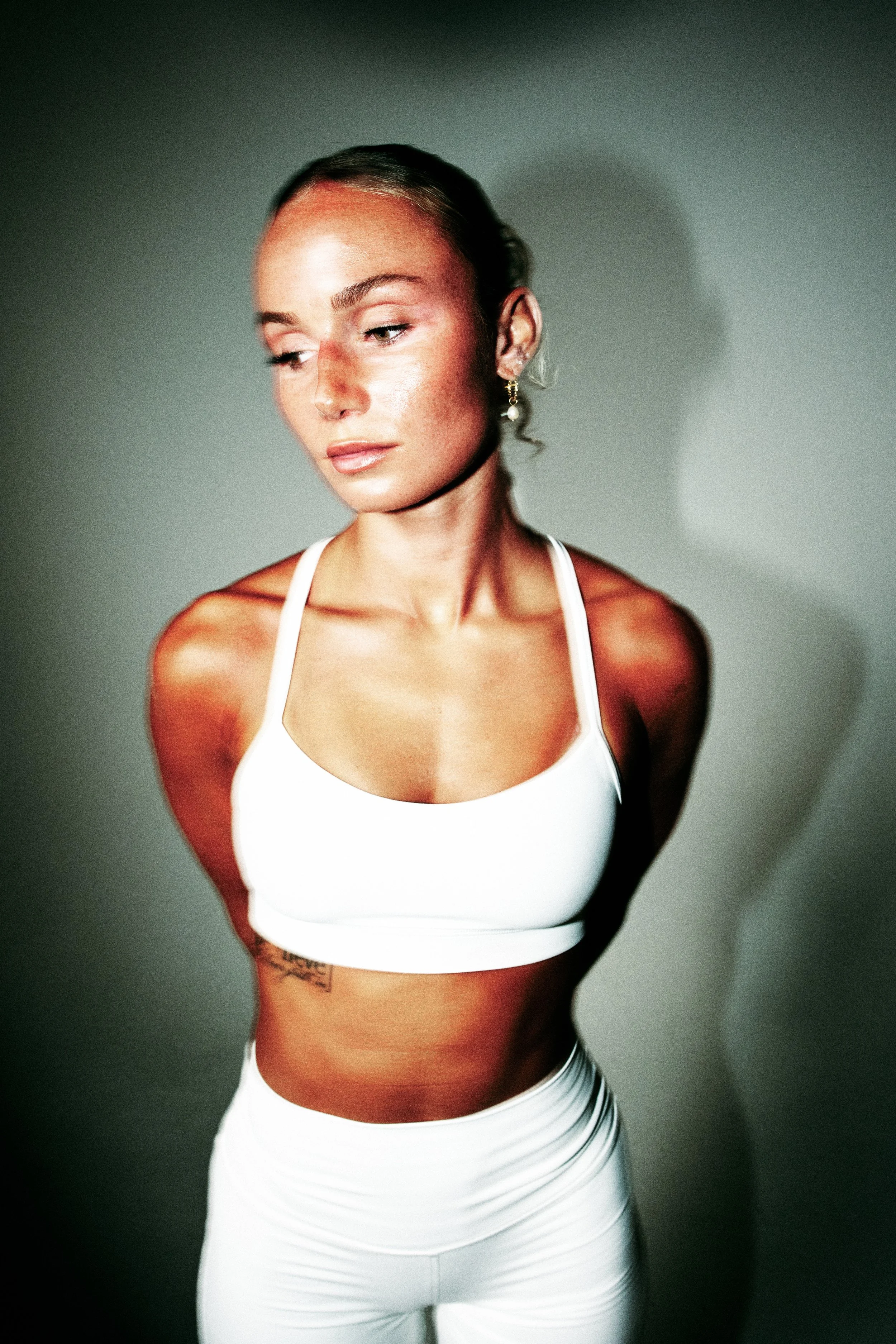
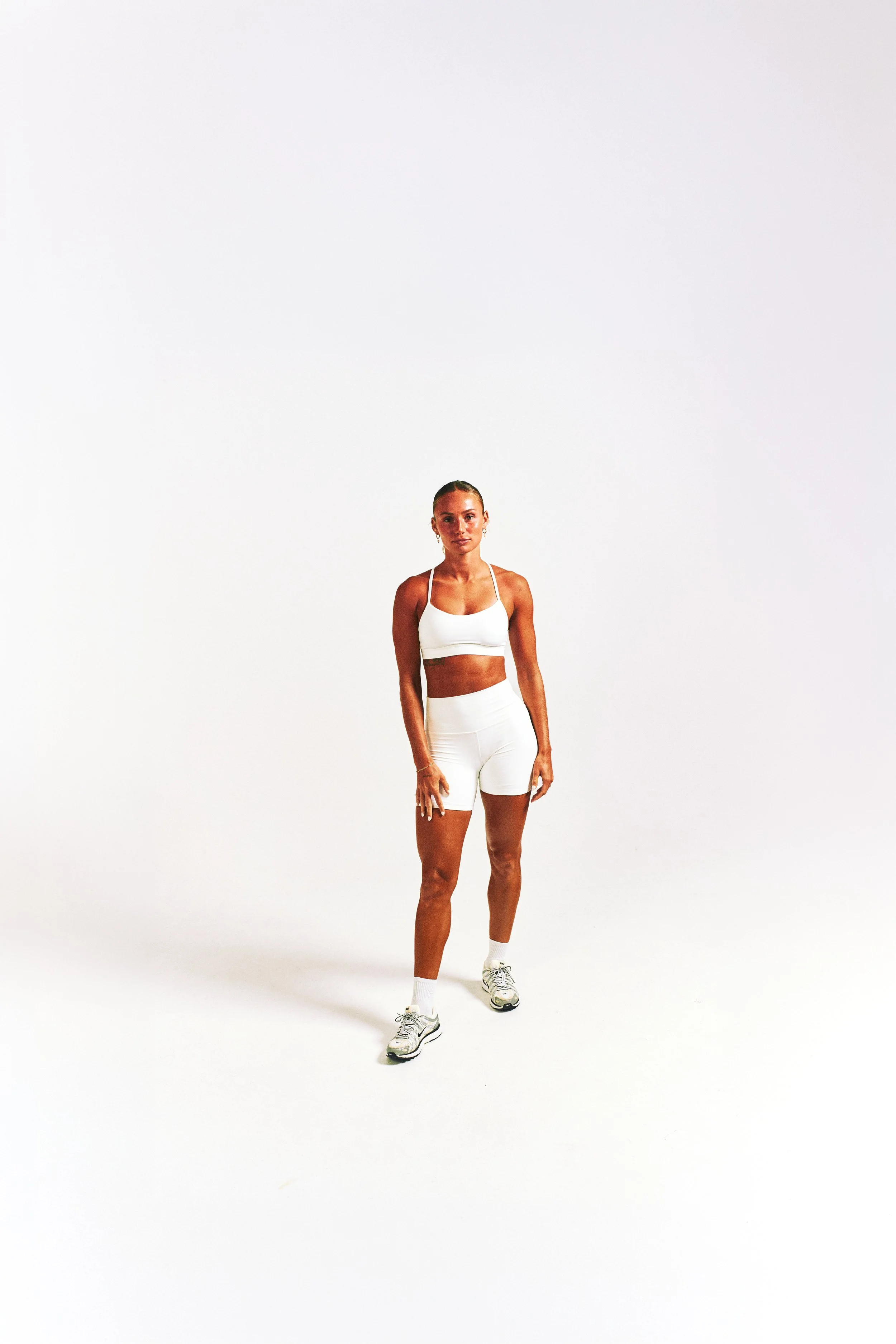
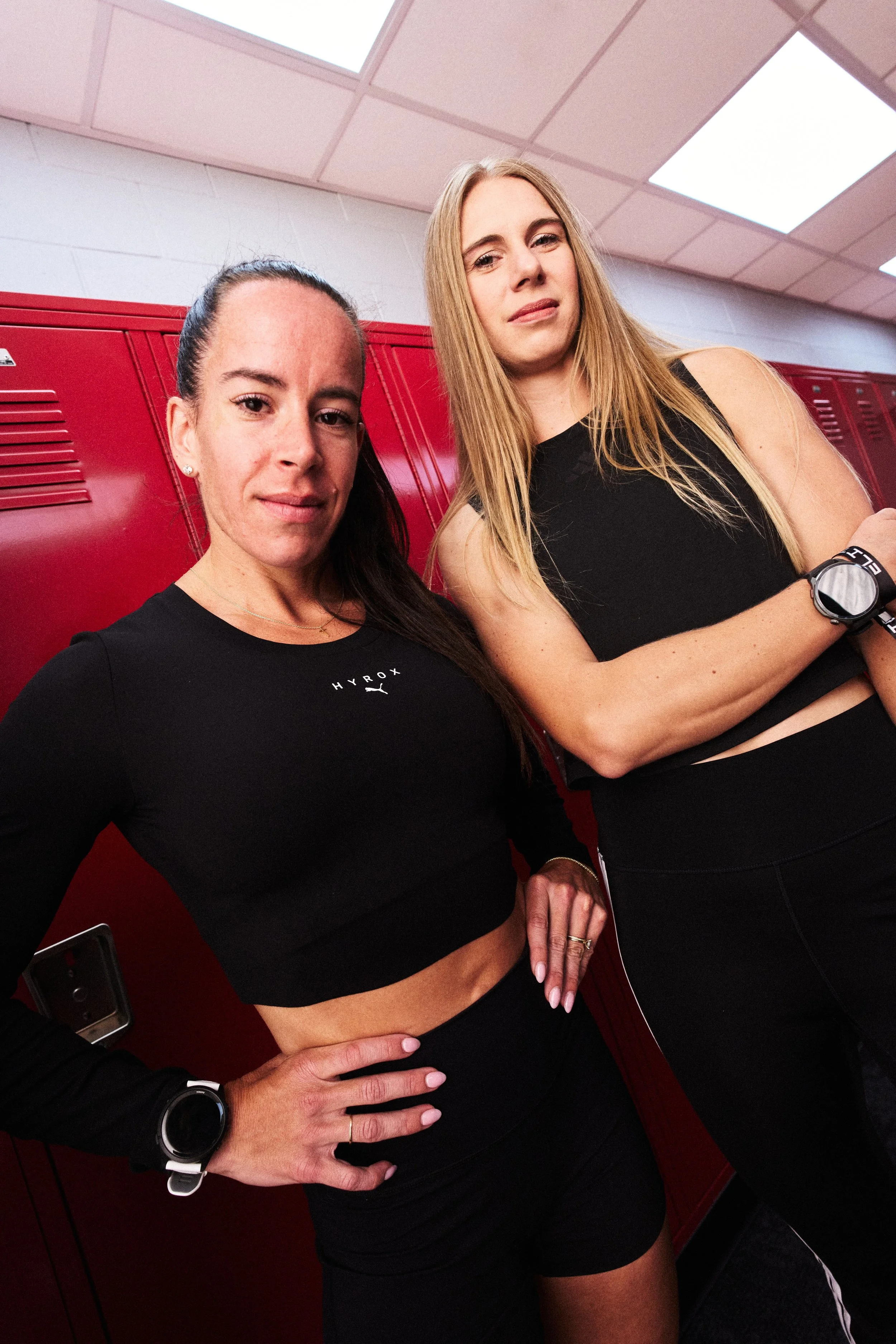
Do: Think about small details
Something simple but important — pronounce their name correctly.
When I first worked with Tara, I thought her name was pronounced one way, but it’s actually pronounced differently. That’s an easy mistake, but it’s also an easy way to show you didn’t do your homework.
I think you don’t need to know everything about them, but know the basics like pronouncing their name right.
Do: work through their dedicated team
Most of these athletes have a team for a reason.
• Managers
• Handlers
• Media people
I try to respect that structure.
I’m not constantly reaching out directly or trying to bypass people. If I do communicate directly, I’ll usually keep it organized — via email or if they reach out to me first.
They already have a lot of people trying to get their attention, so you don’t want to become another source of noise.
Don’t: overshare the shoot
Don’t post behind-the-scenes content or images unless it’s approved.
It’s really easy to accidentally cross a line here. What feels harmless to you might not be something they’re ready to share publicly.
So I’m pretty cautious about:
• BTS content
• Early edits
• Anything that hasn’t been cleared
Don’t: treat them completely differently
At the same time, don’t overcorrect. They’re still clients.
If you already know how to work with people, build rapport, and run a shoot, that doesn’t suddenly change just because someone has a bigger platform.
Sometimes life events get in the way - celebrities life events happening as well and sometimes these will disrupt a photoshoot. The shoot is your big thing but for them it’s one of many items on their calendar.
At one point, Hunter & Tara’s dog started giving birth so they had to leave quickly. We were able to reschedule for their training the next day, thankfully.
Do: Be careful with creative push
You also have to be thoughtful about how far you push your ideas.
For example, I had a shoot where I wanted to take Tara out into a field behind their house to get more of an open, Kansas-style environment.
But:
• It was really windy
• Her hair and makeup were getting affected
• Her shoes were getting dirty
At a certain point, you have to ask if the shot is worth it. Athletes that have done this work before will absolutely decline shots they don’t like or stand up for their comfort so be ready for this.
Do: Be aware of their teams creatives
A lot of these athletes have their own creative resources.
You might not be the only one shooting.
There could be:
• Personal content teams
• Social media crews
It’s worth being aware of them, being friendly, and understanding how you fit into the larger picture.
final thoughts
Working with celebrity athletes isn’t completely different — but there are definitely layers to it.
A lot of it comes down to:
• Reading the room
• Respecting the environment
• Working within a team structure
• And still executing at a high level creatively
If you can do that, everything tends to run pretty smoothly.