Working the HYROX Melbourne Major
In December I traveled to Melbourne, Australia to work on the HYROX Melbourne Major competition. It was an awesome experience and wanted to share a few takeaways!
1 Elite 15 vs. Open Track
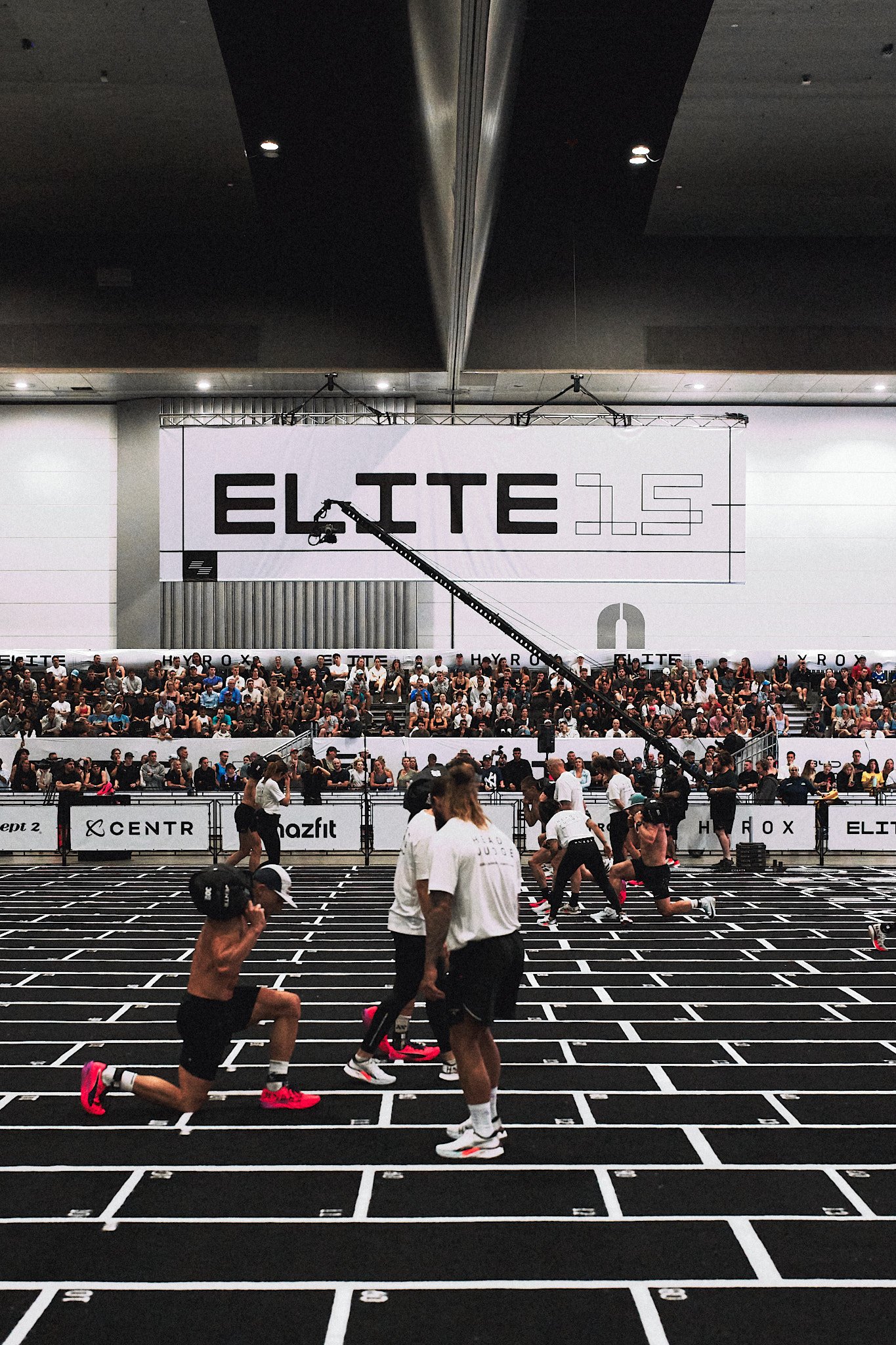
This season, Hyrox is separating their two demographics of racing athletes. Having that separation gave me a really clean, tight space to work in on the Elite 15 side. The open area had food trucks, Christmas gimmicks, and all the other stuff that comes with a big event — which is great for the experience, but not always the most visually appealing background. Being able to focus on the Elite 15 track meant fewer distractions and a much more controlled visual environment.
2 Travel, time shift, and focus
Obviously, there’s a huge time shift getting to Melbourne, but there’s something great about traveling with the same group of people for these events. We’ve built chemistry over previous competitions, and everyone is there for the same reason. Everyone has traveled, everyone’s locked in, and the focus is fully on the competition.
3 The reality of being indoors
Like I’ve talked about before, I’m always surprised by how little light there actually is in these conference centers. They feel bright when you walk in, but once you compare them to outdoor events, they really aren’t. I’m excited for the future when more of these events can incorporate natural light, but for now, this was another situation where I was shooting fast-paced sports in very low light.
Event Lights - Having spotlights and event lights can be interesting way to see the event. Lights on the ceiling get pulled during a shutter drag or will create interesting rim lights but this is rare.
White Balance - I used a WB Color Checker card to validate my light temperatures but even then we had a lot of mixing. The finish line for example had a big LED arch which was a great feature but put off really pink light on the athletes.
Ambient Temperatures - Hyrox keeps the venue chilly for their athletes so I was actually cold waiting for races to start. On the grid, we are given a Hyrox Kit to wear for the competition so we are limited in layers we can put on.
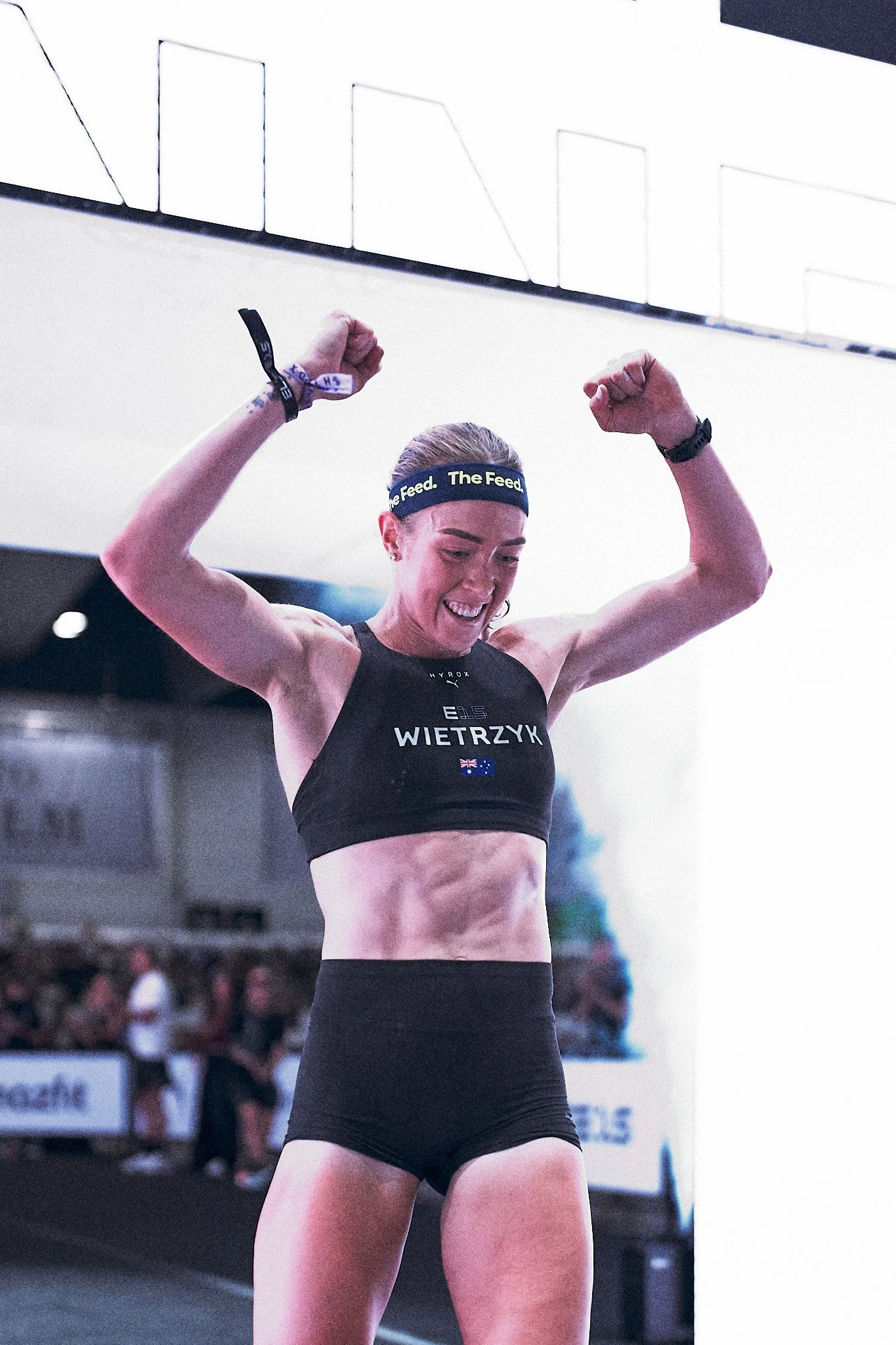
The finish line arch put off a pink light temperature that I tried to correct for.
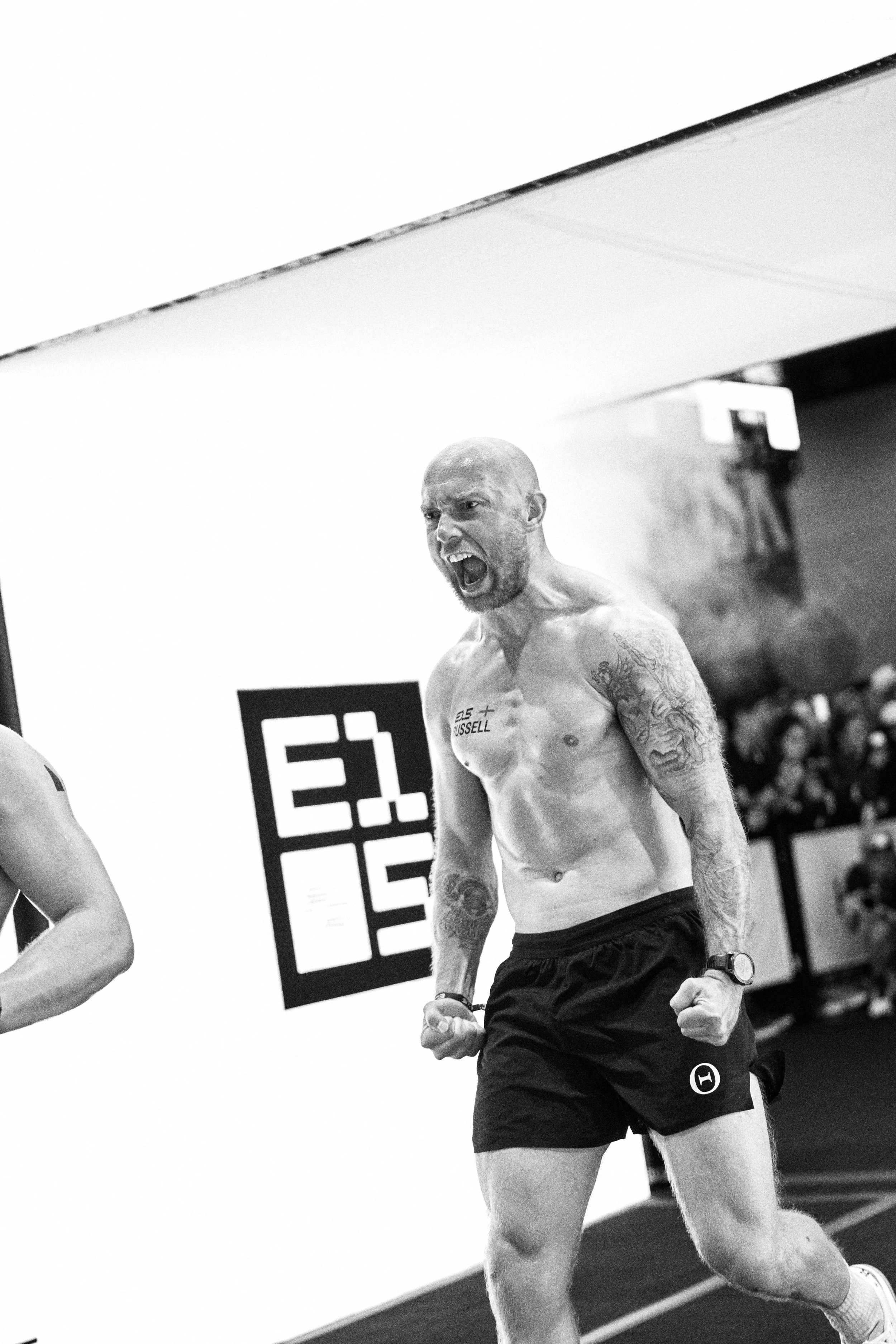
Pushing some images to B&W solved some of the color temperature needs :)
4 Shutter speed, ISO
I push my ISO as high as I reasonably can, knowing I can correct some noise in post and live with grain in my images. I also hovered around shutter speeds that still allowed me to freeze action when needed. Certain parts of a HYROX race make that easier. Exercises like the ski erg, sled push, and lunges involve movement, but often in short bursts, or with moments where the athlete’s body pauses within the motion. That gives me the flexibility to drop my shutter speed.
I spent a lot of time around 1/1600 and didn’t often need to push to 1/2000. In many situations, I could go slower than that.
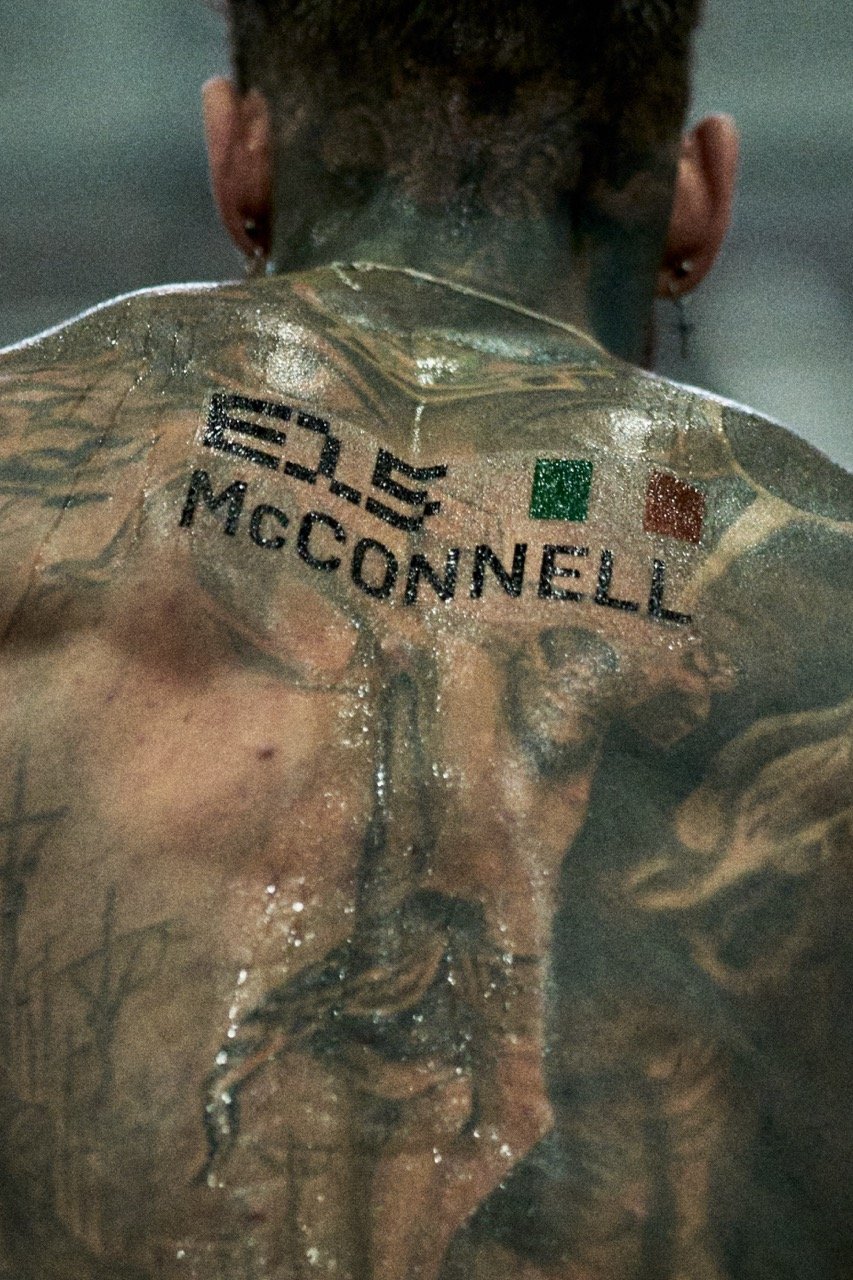
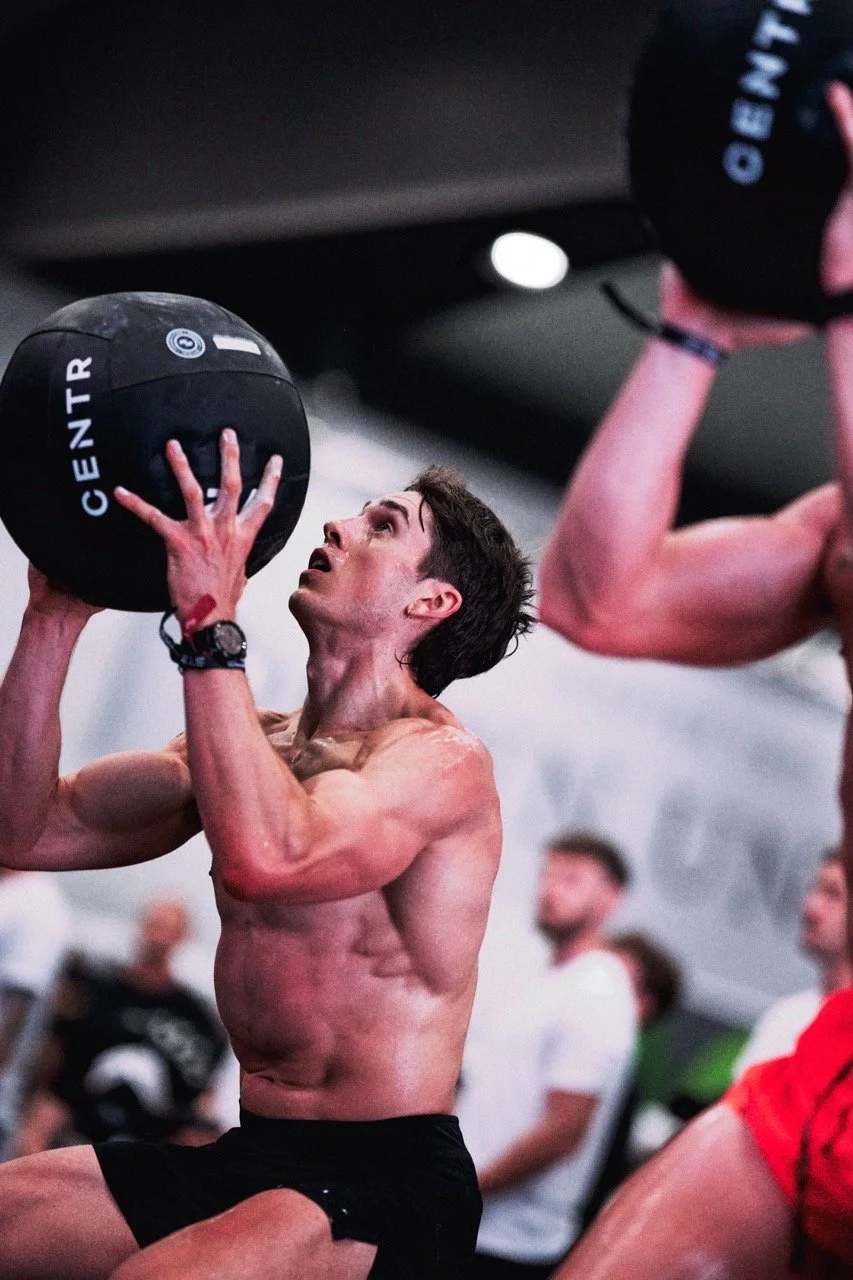
There is a sort of pause at the bottom of wall balls and so you can get away with a slower shutter speed on some of the events.
Many of the exercises have motions that pause or allow for a slower shutter speed in low light environments. Ski Erg, Sled Push, Sled Pull, Lunges, Wall Balls, Rower, and Burpees, all have a moment of pause.
5 Embracing motion
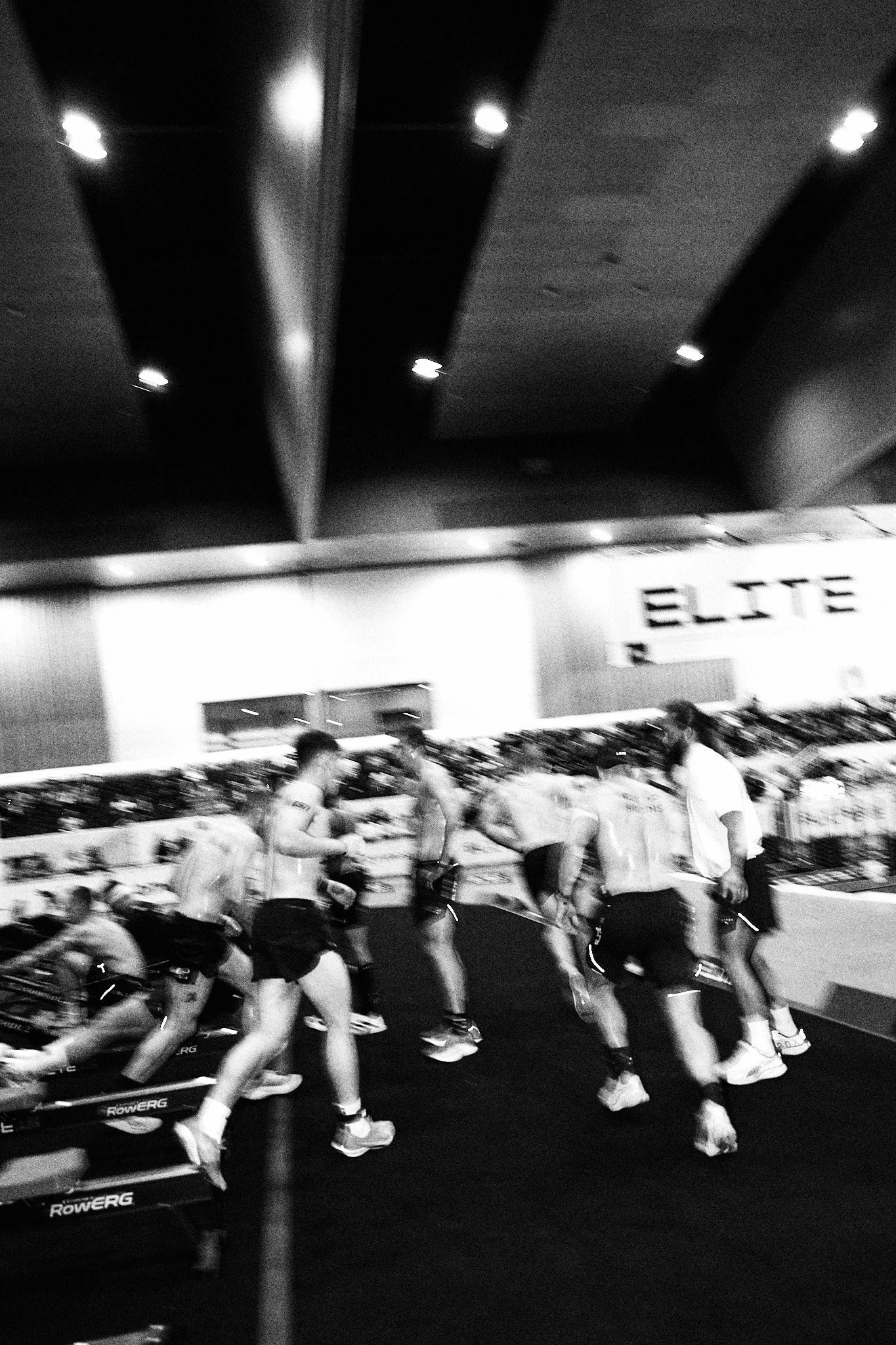
I leaned heavily into shutter drag, using flash to emphasize motion, and being okay with the occasional soft focus. With a Hyrox race, we have to play to our strengths and within an indoor facility we can do a lot of interesting techniques that may require an ND filter at an outdoor daytime setting.
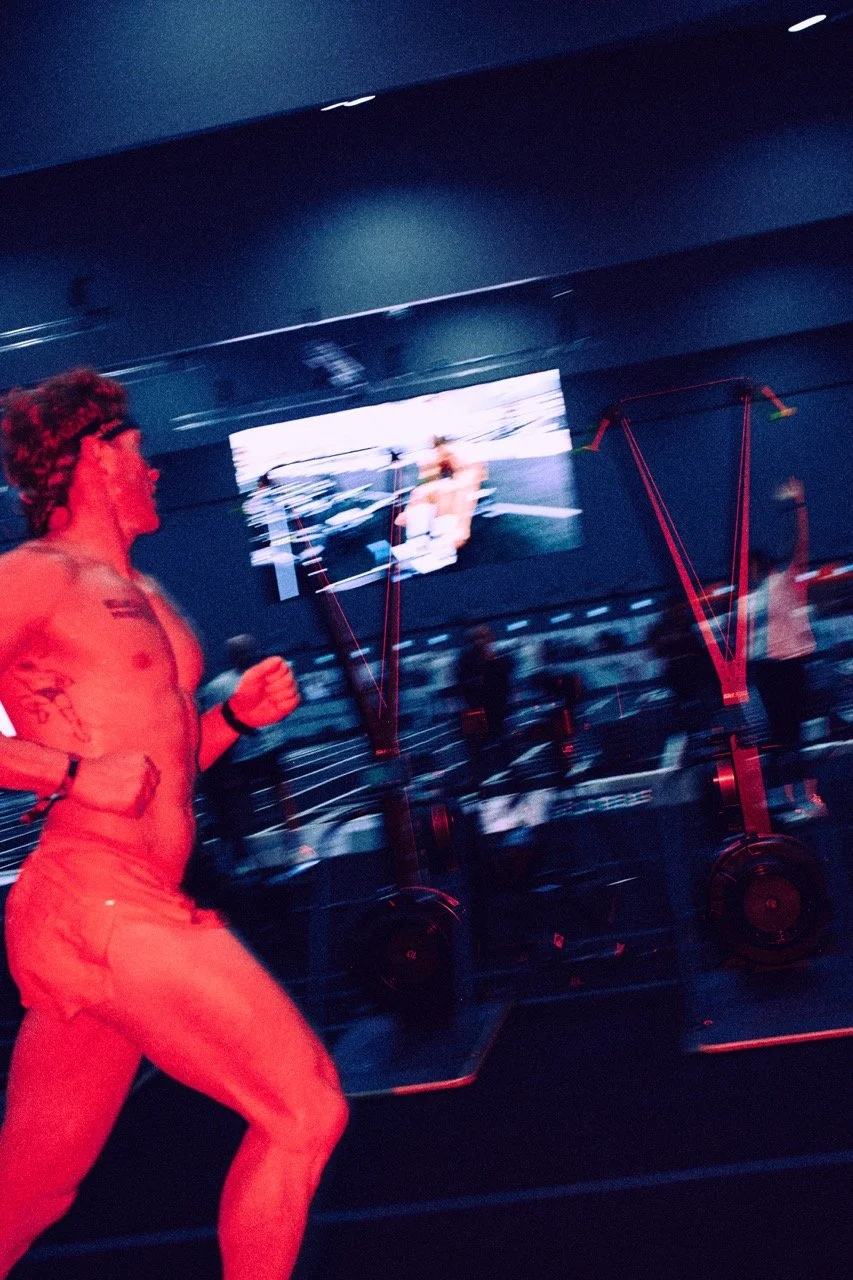
Playing with flash and soft focus creating some interesting images of Hunter McIntyre
6 grit, noise, and texture
I made a conscious decision to lean into grit. I did some noise reduction, but I didn’t try to eliminate the grain completely. The noise added something to the images — a texture that fit the environment and the athlete intensity. Adding additional grain to the image allowed me to make it look more intentional.
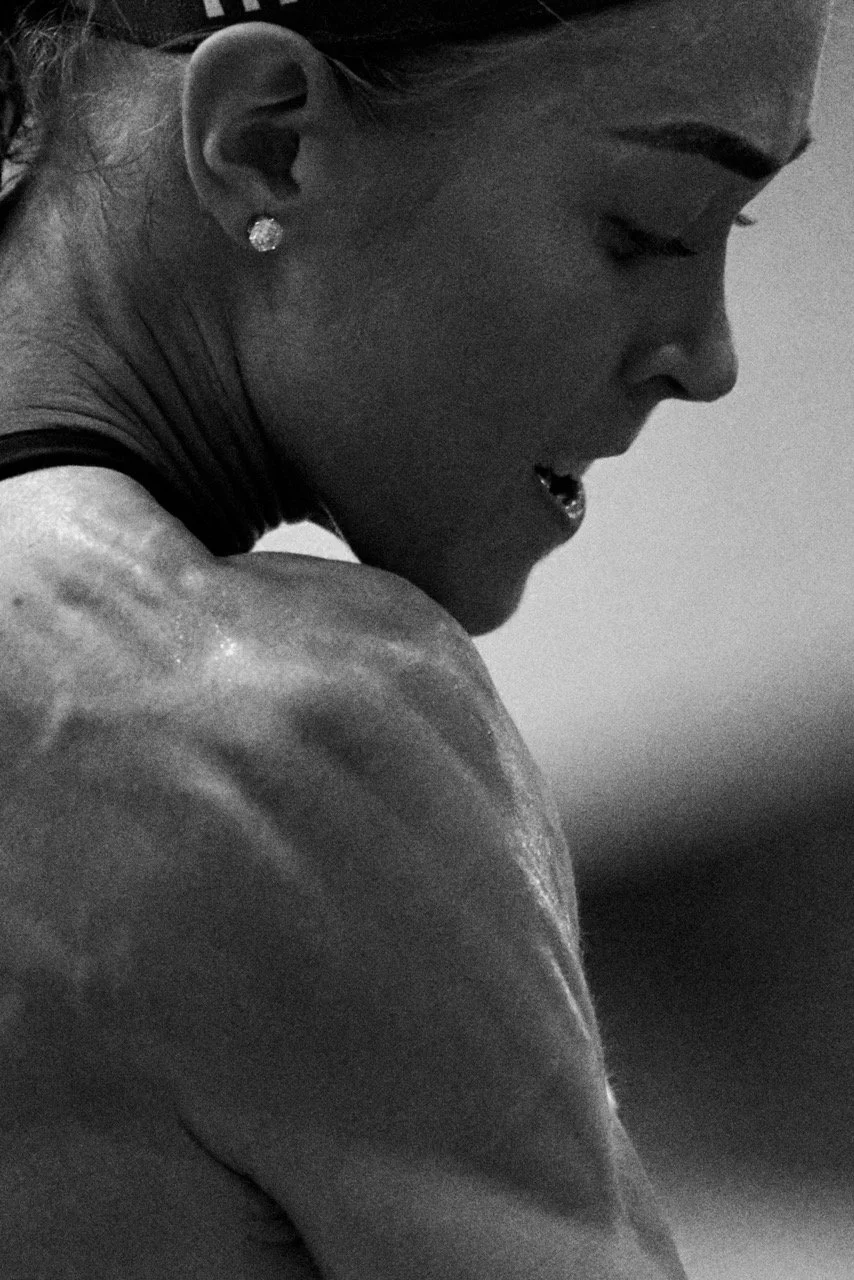
Joanna Wietrzyk performs the sled pull during the Hyrox Melbourne Major. I captured this from the grid and embraced the grain from this image. I thought the B&W look was awesome.
7 Exposure discipline and the histogram
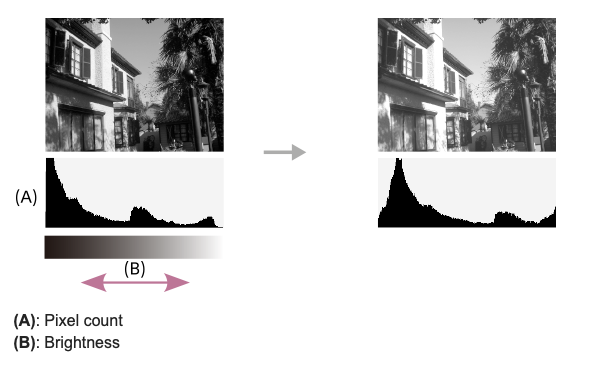
One thing I was especially careful about on this project was proper exposure. When pushing ISO to its upper limits, it becomes more critical to expose images properly. I kept my histogram up on my camera monitor made sure my blacks and whites stayed within range. I didn’t want to rely on recovering highlights or lifting shadows later. Being disciplined about exposure in-camera made a big difference in how the final images came together.
8 Shooting from the grid
Being the photographer on the grid came with its own pros and cons. On one hand, it gave me the ability to get really close to the athletes. On the other, it limited how much I could move around the course — I was pretty secluded to certain areas.
I leaned into that limitation by focusing more on close-ups, using my longer glass and committing to tighter, more intimate frames.
Live stream camera operators - we were given clear instructions to “do no harm” to the live stream camera operators who were hosting the stream on YouTube. This meant to avoid entering one of their shots or impeding their movement. The steady cams had handlers that I was able to communicate with visually on the course but we still had a couple of stressful moments.
Athlete crossings - On the grid the athletes are crossing the field throughout the course of the race so we have to be really careful not to interrupt the competition, especially for some competitors at the back of the field that would surprise you around the course.
final thoughts
Overall, Melbourne was a great reminder of how much constraints — light, space, and movement — shape the way I shoot, and how leaning into them instead of fighting them leads to work that continues to surprise me.
I wrote about some other tips for these events on my photographers guide to shooting Hyrox events.
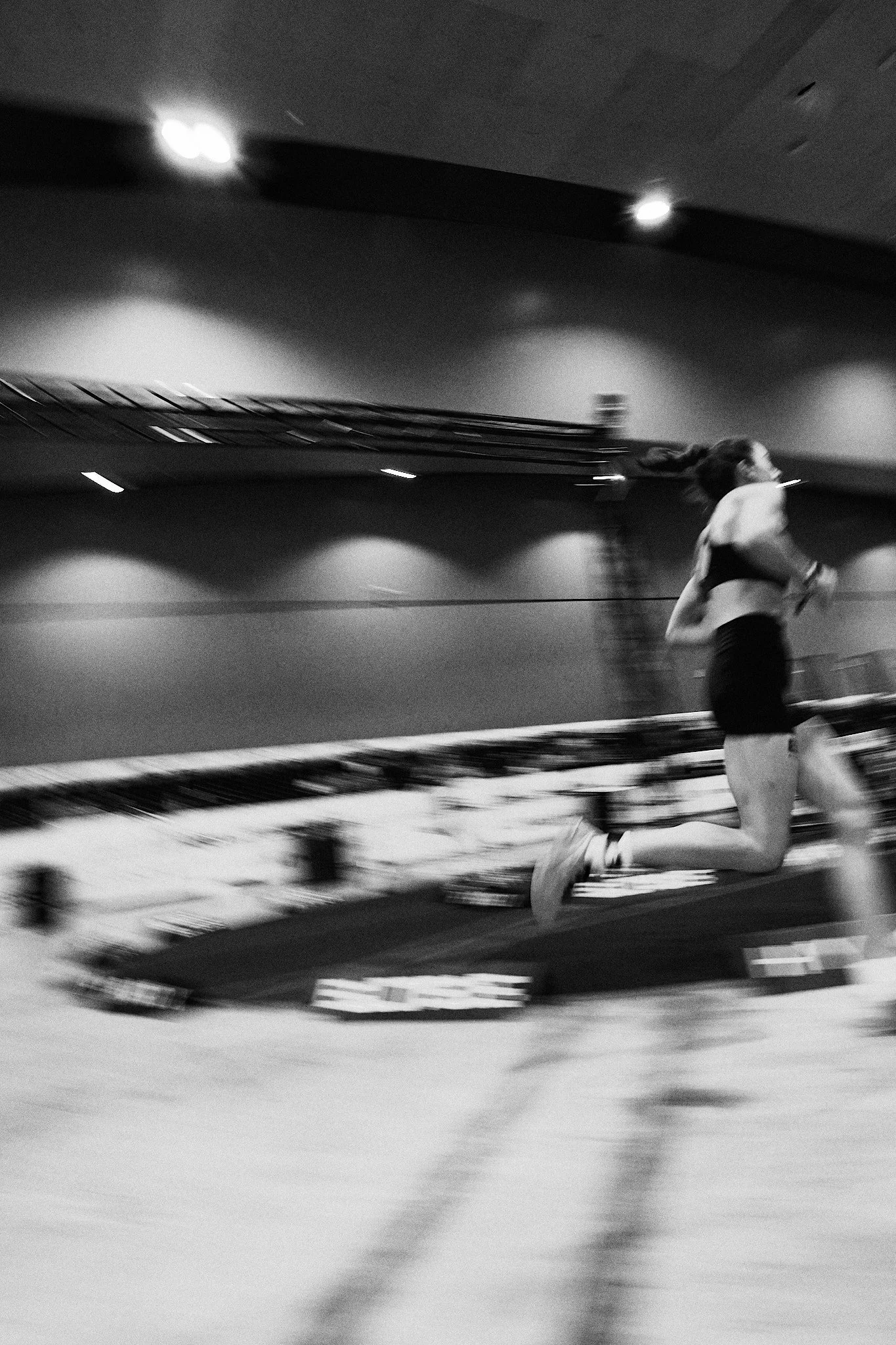
Competitors are constantly in and out of the grid format and race track throughout the race.